

Hi everyone!
Today, we’re talking about one of the most important parts of school readiness — social and emotional development.
This is all about helping children understand their feelings, build positive relationships, and learn how to work and play with others.
Let’s look at a few simple ways to support this at home.
💛 Managing Emotions
Young children are still learning to handle big feelings like frustration, sadness, or excitement.
You can help by naming those feelings for them — for example, “I can see you’re angry because you wanted that toy.”
When we calmly talk about emotions, children learn that all feelings are okay — what we do with them matters.
Reading books about feelings or using a “feelings chart” can also be a lovely way to start conversations.
🤝 Building Relationships
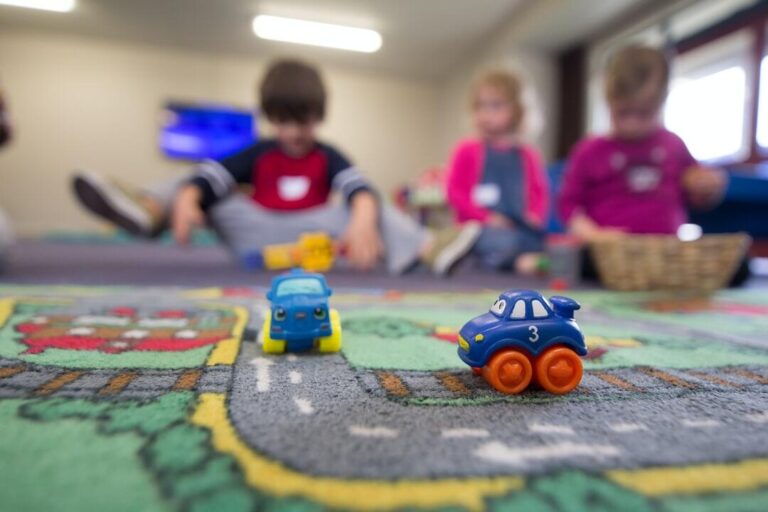
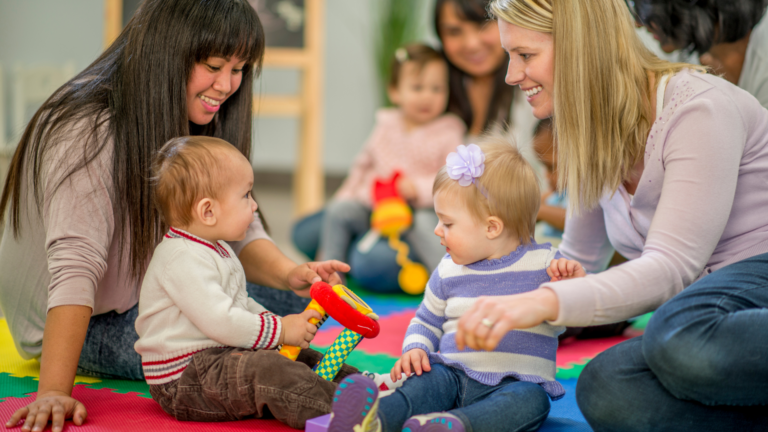
Children need lots of opportunities to interact with others.
Encourage playdates, cooperative games, or small group activities where they can learn to share ideas and listen to others.
Model kindness and respect — when children see adults treating people warmly, they naturally copy those behaviours.
🔄 Taking Turns and Following Routines.
Simple games like “Simon Says” or board games teach patience and turn-taking in a fun way.
Having predictable routines at home — like tidy-up time or a regular bedtime — helps children feel safe and confident in group settings, like at school.
Remember: social and emotional growth takes time. Every small moment — a kind word, a shared toy, a calm talk after tears – helps your child build empathy, confidence, and readiness for the classroom.