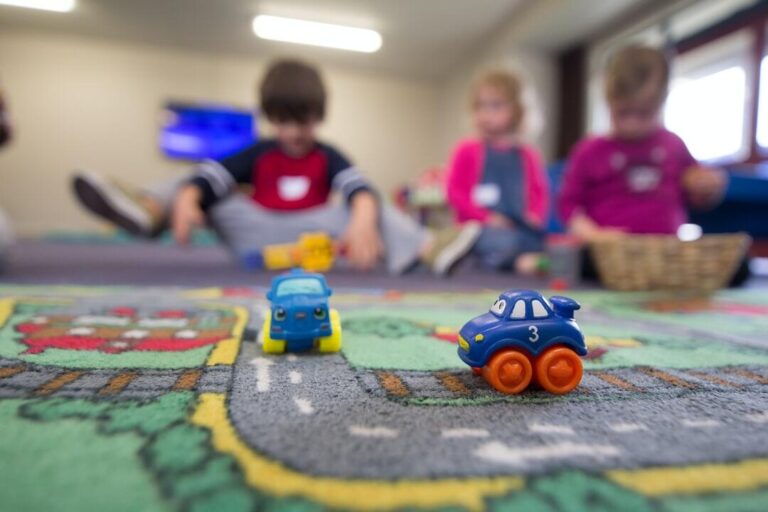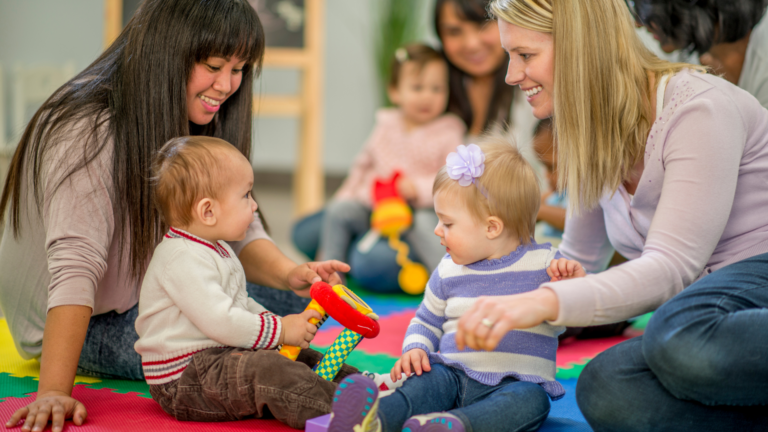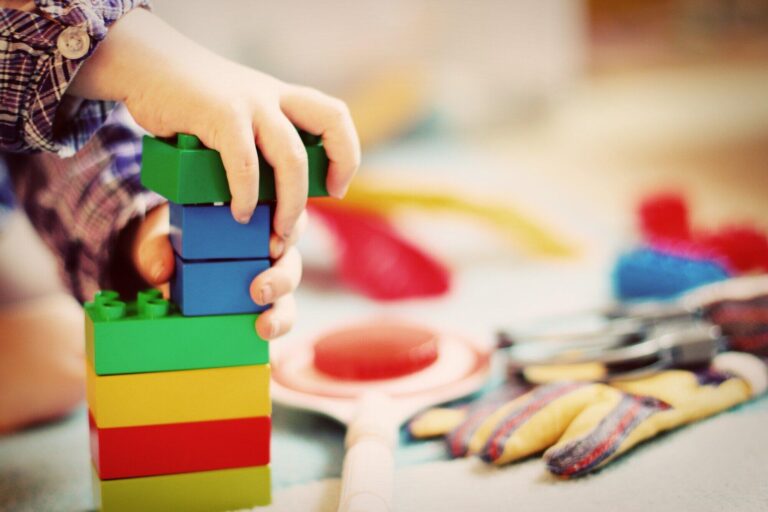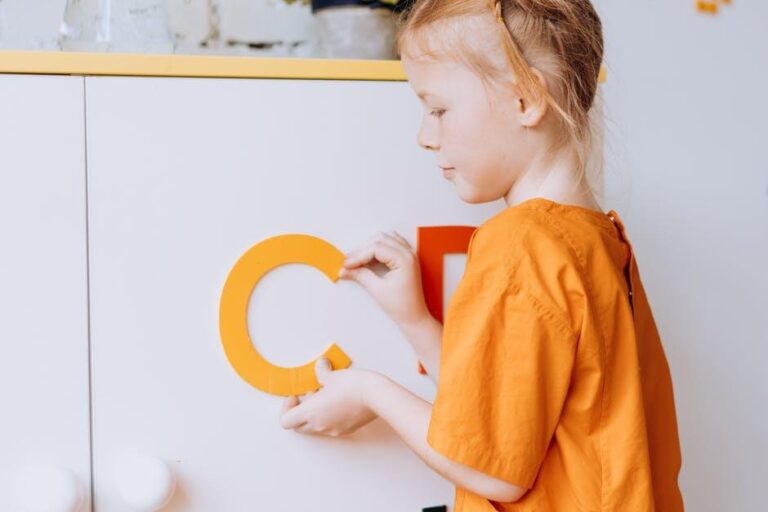


Independent play isn’t just a way to keep children busy — it’s one of the most important ways toddlers and preschoolers learn. When children explore and play on their own, they practice problem-solving, strengthen their creativity, and build confidence. They learn to make choices, focus for longer stretches, and discover new ways to use their imagination. As parents, our role isn’t to constantly direct their play, but to set the stage for it. Creating a safe, calm space and offering open-ended toys like blocks, dolls, or art materials gives children room to explore. It also helps to stay nearby, offering reassurance without stepping in too quickly. Sometimes just your quiet presence is enough for your child to feel secure while they try things on their own. Of course, some children resist independent play at first, and that’s completely normal. If your child struggles, start small. Offer just a few minutes where you step back but remain in sight, gradually increasing the time as their confidence grows. You can also suggest parallel play — sit beside your child with your own activity, like reading or folding laundry, so they feel supported but not directed. Another helpful trick is to rotate toys so play always feels fresh and inviting. Most importantly, celebrate their efforts: noticing their block tower or pretend game, even briefly, shows them that their independent play is valuable. Encouraging independent play today nurtures curiosity, resilience, and self-confidence that will benefit children for years to come.